What Can You Eat on the Keto Diet?
The keto diet focuses on low-carbohydrate foods that help your body enter ketosis, a metabolic state where fat becomes the main fuel source instead of sugar. Most keto meals include healthy fats, moderate protein, and low-carb vegetables while avoiding sugar, grains, and high-carb fruits.
Introduction
If you’re new to the keto diet, you’re probably wondering:
What exactly can I eat?
What foods should I avoid?
And why does it matter so much?
The ketogenic diet isn’t about starving yourself.
It’s about switching your body from burning sugar to burning fat.
When you do it correctly, many people experience:
- fewer cravings
- more stable energy
- easier fat loss
In this beginner-friendly guide, you’ll learn exactly what to eat, what to avoid, and why these choices matter for ketosis.
What Is the Keto Diet (And Why It Works)
The ketogenic diet is a low-carb, high-fat eating approach designed to move your body into a metabolic state called ketosis.
In ketosis, your body shifts from using carbohydrates for fuel to burning stored fat for energy.
This metabolic change can lead to several benefits.
Many people notice:
- reduced hunger
- more consistent energy
- fewer sugar cravings
- easier weight management
But there is one important detail many beginners overlook.
Keto only works when you understand which foods support ketosis and which foods disrupt it.
What to Eat on Keto (Beginner-Friendly Foods)
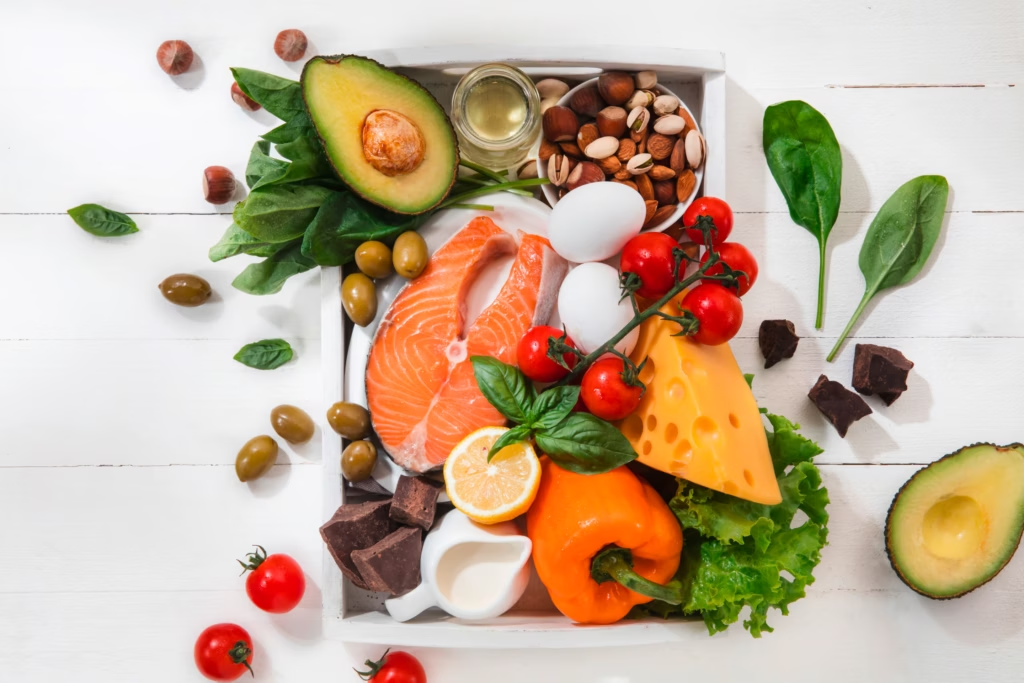
The keto diet focuses on whole, nutrient-dense foods that support fat burning and stable blood sugar levels.
Below are some of the most common foods included in a keto meal plan.
Protein Foods (Moderate Amounts)
Protein is important, but keto is not a high-protein diet.
Examples include:
- grass-fed beef
- chicken thighs
- salmon and fatty fish
- eggs
- turkey
- sardines
These foods provide essential nutrients and help maintain muscle mass.
Healthy Fats (Your Main Energy Source)
Fat becomes your primary fuel source on keto.
Examples include:
- avocados
- olive oil
- coconut oil
- grass-fed butter
- ghee
- nuts (in moderation)
Healthy fats help keep you satisfied and support energy production during ketosis.
Low-Carb Vegetables
Vegetables are an important part of a balanced keto diet.
Focus on low-carbohydrate options such as:
- spinach
- broccoli
- zucchini
- cauliflower
- asparagus
- leafy greens
These vegetables provide fiber, vitamins, and minerals while keeping carb intake low.
Full-Fat Dairy (If Tolerated)
Some people include full-fat dairy products in moderation.
Examples include:
- cheese
- heavy cream
- unsweetened Greek yogurt
However, dairy tolerance varies from person to person.
What to Avoid on the Keto Diet
Many beginners accidentally slow their progress by eating foods that raise blood sugar and insulin levels.
Avoiding high-carb foods is essential for staying in ketosis.
Sugar (Even “Healthy” Sugars)
Sugar quickly raises blood glucose levels.
Foods to avoid include:
- soda
- fruit juice
- honey
- agave
- candy
Even natural sweeteners can interfere with ketosis.
Refined Carbohydrates
Refined carbs are among the biggest obstacles to ketosis.
Common examples include:
- bread
- pasta
- rice
- cereal
- crackers
- tortillas
These foods rapidly convert into glucose in the body.
High-Carb Fruits
While fruit is often considered healthy, some varieties contain large amounts of sugar.
Examples include:
- bananas
- apples
- grapes
- mangoes
On keto, fruit consumption is usually limited to low-sugar options such as berries.
Processed Low-Fat Foods
Many low-fat products contain added sugars and hidden carbohydrates.
Always check nutrition labels before purchasing packaged foods.
Hidden carbs are one of the most common reasons beginners believe keto “doesn’t work.”
Why These Food Choices Matter
Understanding the science behind keto helps explain why food selection is so important.
When you eat carbohydrates, your body releases insulin, a hormone that helps store glucose as energy.
High insulin levels also encourage the body to store fat.
When carbohydrate intake drops significantly:
- insulin levels decrease
- the body begins burning fat
- stored fat becomes a primary energy source
This metabolic shift is the foundation of the ketogenic diet.
Consistency is essential.
Keto is not magic — it’s a metabolic strategy based on how your body processes fuel.
Common Keto Beginner Mistakes
Most people don’t struggle with keto because it doesn’t work.
They struggle because of avoidable mistakes.
Common beginner errors include:
- eating too many hidden carbs
- not balancing electrolytes
- eating excessive protein
- quitting during the adaptation phase
- starting without a clear plan
Understanding these challenges early can make the transition to keto much smoother.
You may also want to read our guide on The Biggest Keto Mistakes Beginners Make to avoid common pitfalls.
Related Keto Guides
If you’re just starting your keto journey, these articles can help you build a strong foundation:
• What Is the Keto Diet? A Beginner’s Guide
• Net Carbs Explained: How to Read Food Labels
• The Biggest Keto Mistakes Beginners Make
• Keto Grocery List for Beginners
These resources can help you better understand how to plan meals, avoid hidden carbs, and stay consistent.
Final Thoughts: Is Keto Right for You?
If you struggle with:
- constant cravings
- hunger every few hours
- energy crashes
- difficulty losing weight
The ketogenic diet may provide a new approach that works with your metabolism rather than against it.
The most important factor is starting with clear guidance and a structured plan.
When you understand what to eat and what to avoid, keto becomes much easier to follow.
Clarity removes confusion.
Structure builds consistency.
And consistency is what ultimately leads to results.
FAQ
What foods can beginners eat on keto?
Beginners on keto typically eat foods like meat, fish, eggs, healthy fats, low-carb vegetables, and full-fat dairy products while avoiding sugar and refined carbohydrates.
What foods should be avoided on the keto diet?
Foods high in sugar and carbohydrates such as bread, pasta, rice, soda, fruit juice, and high-sugar fruits should generally be avoided.
Can you eat fruit on keto?
Most fruits are high in sugar and carbohydrates, so they are limited on keto. Small portions of berries are usually the most keto-friendly option.
Why does keto reduce cravings?
Keto helps stabilize blood sugar levels and may reduce hunger hormones, which can lead to fewer cravings and more consistent energy levels.
If you’re starting your keto journey, these beginner guides can help you understand the fundamentals and avoid common mistakes:
• What Is the Keto Diet? A Simple Beginner’s Guide
• The Biggest Keto Mistakes Beginners Make in the First Week
• How Fast Can You Lose Weight on Keto? What to Expect in 30 Days
• Keto vs Low Carb: What’s the Real Difference for Fat Loss?
Deixe um comentário